Cardiovascular disease is the world’s biggest killer.
Cardiovascular disease (CVD) is an umbrella term for conditions that affect your heart or blood vessels. CVD includes coronary heart disease (blocked arteries) along with heart attack, stroke and heart failure.

AFFECTED BY CARDIOVASCULAR DISEASE.

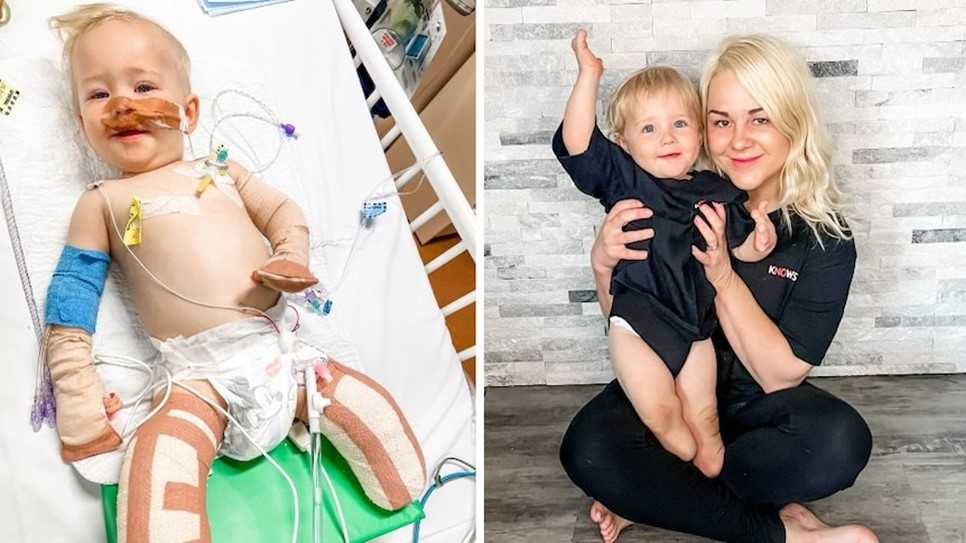
RYAN'S STORY
Ryan Lines was an active, happy little boy. But just one month after his first birthday, everything changed.
It turned out Ryan had a strep A infection that had developed into severe septic shock. Ryan developed multiple organ failure. He had to undergo two major surgeries to amputate both legs and lost all his fingertips and some fingers.
His mum Jessica is passionate about research and raising awareness about the impact of septic shock.
“I urge everyone to learn the signs of sepsis and to support the incredible work conducted at Heart Research Institute. The research will give hope to those who may one day be impacted by this devastating condition.”
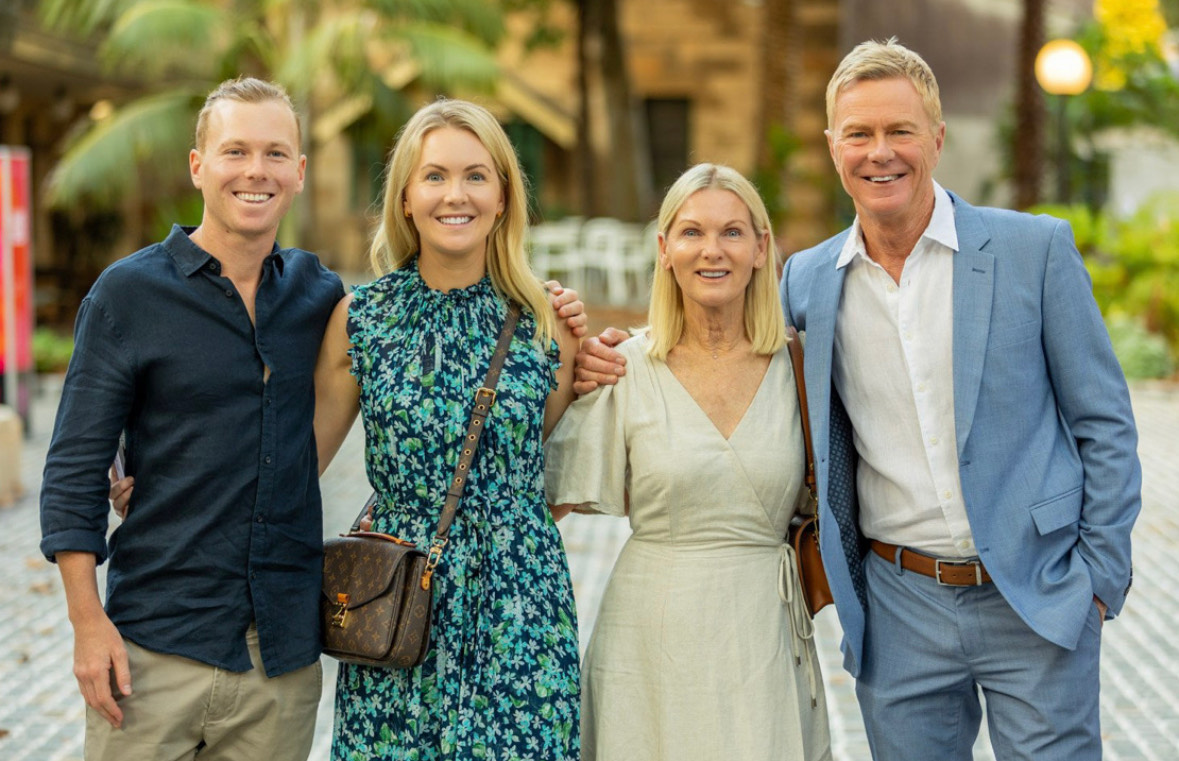
WARREN'S STORY
Warren was 49, healthy, fit and running marathons but a routine check-up revealed a silent threat.
Thanks to research, he was diagnosed early with atrial fibrillation and fitted with a defibrillator to protect him. That device keeps his heart in rhythm and keeps him running toward the people he loves. Now, every step is a promise to his family: I’m still here.
“Knowledge gave me courage. I stopped living in fear and started living for the people I love.”
Research gave Warren a second chance. It gave his family more time to love, to share, to stay together.
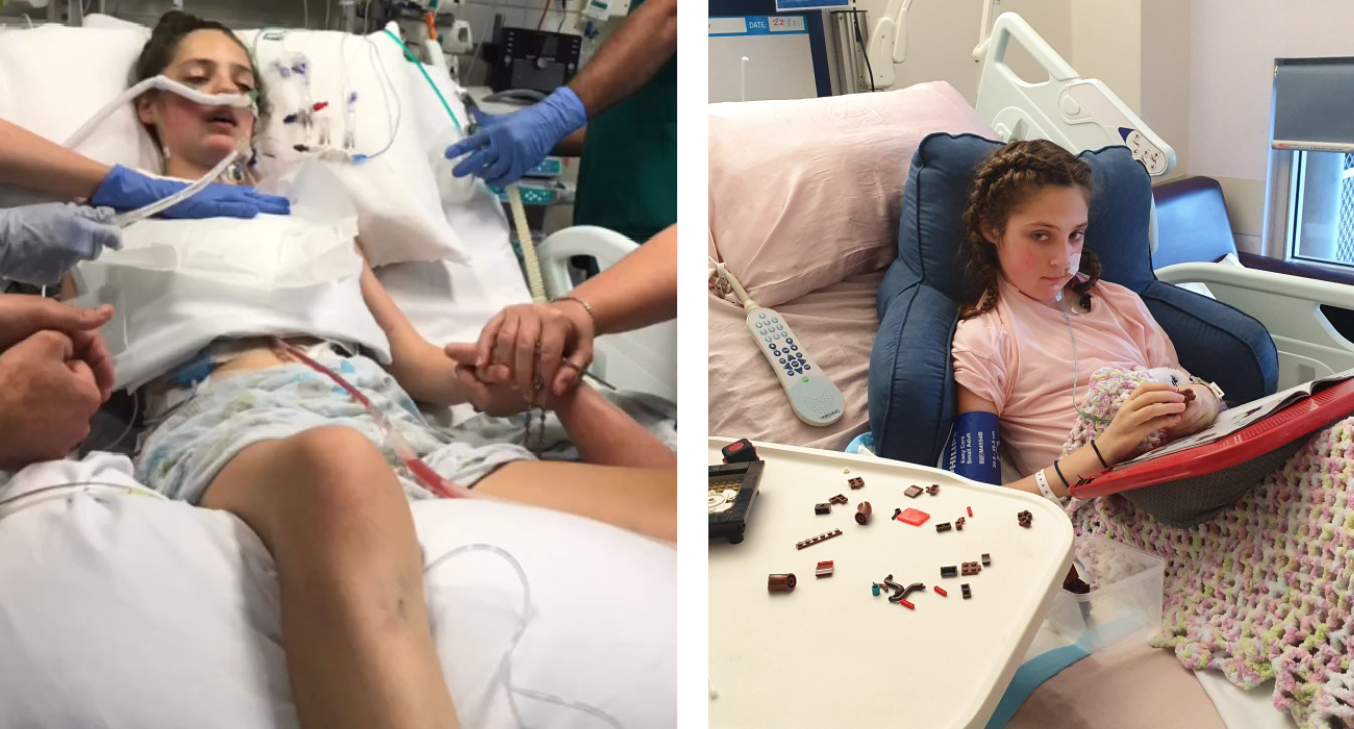
SCARLETT'S STORY
Scarlett was just 10 when she was diagnosed with hypertrophic cardiomyopathy after months of breathlessness and exhaustion. At 13, she collapsed during dance class and suffered two cardiac arrests, leaving her on life support with little chance of survival. Her family faced an impossible decision — let her go or try for an urgent heart transplant. Eight days later, a donor heart was found, and Scarlett underwent a life-saving transplant.
Currently there are not enough donor hearts for the number of people who need a transplant. In Australia, more than 100 people are waiting for heart transplants at any one time, often for up to two.
Cardiovascular Disease FAQs
How can I make an impact with a tax-deductible donation?
How can I donate?
All donations $2 and over are tax deductible. You can donate to HRI in many ways:
- Phone: call 1800 651 373 and speak with one of our friendly staff who will take your details and process your donation
- Online: donate securely via credit card on our Give page.
- Mail: you can post your donation to
The Heart Research Institute
7 Eliza Street
Newtown NSW 2042
(Please do not send cash in the post)
Are charity donations tax-deductible?
Find out more about whether charity donations are tax-deductible here.
Why are donations from the general public so vital?
While we receive some funding from the state and federal governments, more than 80% of our income comes from the general public. We have a number of fundraising programs and it is thanks to loyal supporters at various levels that we are able to continue our work.
Regardless of the size of the financial commitment, our donors’ assistance remains vital in helping to achieve our ultimate goal of a future without heart disease.
How does the HRI raise funds from public donations?
Our income from public donations is mainly received from individuals who make regular monthly donations to support our work. Most people hear about our work from our street fundraisers, and we also run direct mail and telephone fundraising appeals, raffles and fundraising events amongst others.
Some activities are run by our small in-house fundraising team; others are outsourced where they can be more cost-efficiently run by doing so. In total, over 80% of our income comes from the public through these activities and provides a vital independent source of income. We are incredibly grateful for such strong financial support from our community.
How does the work of our researchers impact the lives of everyday Australians?
Heart disease is the world’s biggest killer, responsible for around 1 in every 3 deaths, in Australia and worldwide. Treating this costs Australians around $6 billion every year.
Better detection methods – like using ultrasound to detect atherosclerosis, a technique pioneered by the HRI’s Clinical Research Group – and better treatments – such as improved stroke treatment – can have a huge impact on the lives of everyday Australians, as well as lower costs to our health system.
Why is cardiovascular disease so prevalent in Australia?
Recent research has uncovered that only 1 in 3 Australians get sufficient daily exercise, while our average daily intake of calories is considerably more than most of us need to survive. Obesity and diabetes are major precursors of cardiovascular disease and in recent years Australia has led the world in the rate in which we’ve been putting on weight. This is a rather puzzling situation for a country that is famed the world over for its healthy, sporty, outdoor-centric lifestyle.
Is cancer Australia’s and the world’s biggest killer?
Recent research has uncovered that only 1 in 3 Australians get sufficient daily exercise, while our average daily intake of calories is considerably more than most of us need to survive. Obesity and diabetes are major precursors of cardiovascular disease and in recent years Australia has led the world in the rate in which we’ve been putting on weight. This is a rather puzzling situation for a country that is famed the world over for its healthy, sporty, outdoor-centric lifestyle.
When will I receive a tax receipt for my donations?
Donations of $2 or more are tax-deductible. You will receive one tax receipt for your monthly donations at the end of the financial year. One-off donations will be receipted as soon as they are received.
If you have provided an email address, your receipt will be sent by email, otherwise it will be sent via mail. By providing us with your email address, you can help us keep our administrative costs down and leave more funds available for scientific research.
The end of financial year tax receipt for monthly donations will be emailed and posted at the beginning of July. If you have not received your tax receipt for your donations by mid-July please use our Contact form to get in touch with us.
What is the Heart Research Institute's ABN and Address?
ABN: 41 003 209 952
Address: Heart Research Institute
7 Eliza Street
Newtown NSW 2042
Who can I contact if I have further questions?
For further information, please use our Contact form, email support@hri.org.au or call 1800 651 373.
Haven't found the answer your looking for?
Our full FAQs section can be found here